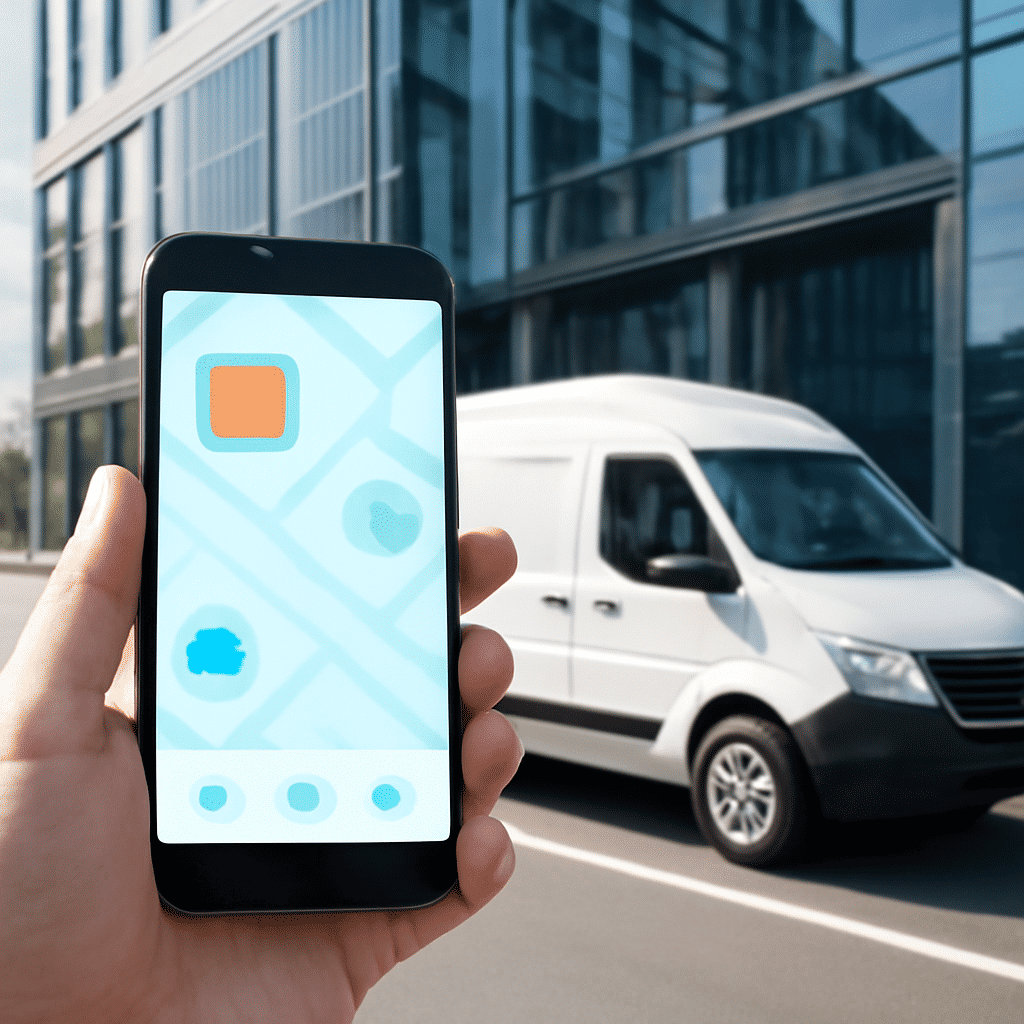
The delivery services industry has undergone a monumental transformation in recent years, powered by the emergence of artificial intelligence (AI). This innovation is not simply about automating tasks; it is about redefining how logistics and customer interactions are handled to create a seamless, efficient, and optimized delivery process. AI's impact is multi-faceted, including enhanced route optimization, improved customer experiences, and streamlined operations, fundamentally reshaping the landscape of delivery services.
One of the most significant advancements brought about by AI in delivery services is route optimization. Traditional delivery routes were often static and lacked flexibility, largely dependent on human planning. Enter AI-driven algorithms, equipped with real-time data processing capabilities, which can analyze countless variables such as traffic conditions, weather patterns, and delivery urgency. These algorithms create dynamic routes that minimize fuel consumption and delivery time, effectively reducing operational costs and environmental impact. Companies like UPS and FedEx have already integrated AI into their logistics systems, resulting in substantial savings and increased punctuality.
AI's contributions extend beyond logistics into enhancing the customer experience. With the use of chatbots and virtual assistants, companies are able to provide 24/7 customer support, quickly resolving inquiries and processing orders. Additionally, AI can predict customer preferences and behavior through pattern recognition, enabling more personalized interactions. For example, customers now receive real-time updates and accurate delivery time predictions, fostering transparency and boosting satisfaction. Moreover, the integration of AI in drones and autonomous delivery vehicles promises not just to improve efficiency but also to revolutionize the very nature of last-mile delivery.
Inventory management and supply chain operations have also seen a transformative shift due to AI advancements. Machine learning algorithms forecast demand with greater precision, allowing companies to maintain optimal stock levels and reduce wastage. Furthermore, AI's ability to predict wear and tear on delivery vehicles can preemptively schedule maintenance activities, thereby avoiding unexpected breakdowns and delays.
Security and fraud prevention have also benefited from AI implementation. The ability to recognize patterns and anomalies allows AI to detect suspicious activities in real-time. This reduces the risk of package theft and ensures the safe handling of goods, thereby garnering customer trust.
However, while AI offers myriad opportunities, it is not without its challenges. The implementation of AI technologies requires significant initial investments and the ability to manage large volumes of data. Additionally, privacy concerns and ethical considerations regarding customer data use pose obstacles that must be addressed as the technology continues to evolve.
In conclusion, AI is a powerful tool that is dramatically reshaping delivery services. From optimizing routes to enhancing customer interaction, it presents numerous advantages that cater to both companies and consumers. While challenges remain, the potential benefits far outweigh the drawbacks, signifying a future where AI continues to refine and redefine the efficiency of delivery services. As this technology advances, the delivery industry stands on the cusp of a remarkable transformation, poised to meet the demands of an increasingly connected world.